Literary Fowey: Daphne du Maurier
Daphne du Maurier’s Fowey — Ferryside, Menabilly and Kilmarth in context, public-path and ferry views, and Fowey Museum for memorabilia. Private homes — no trespassing.
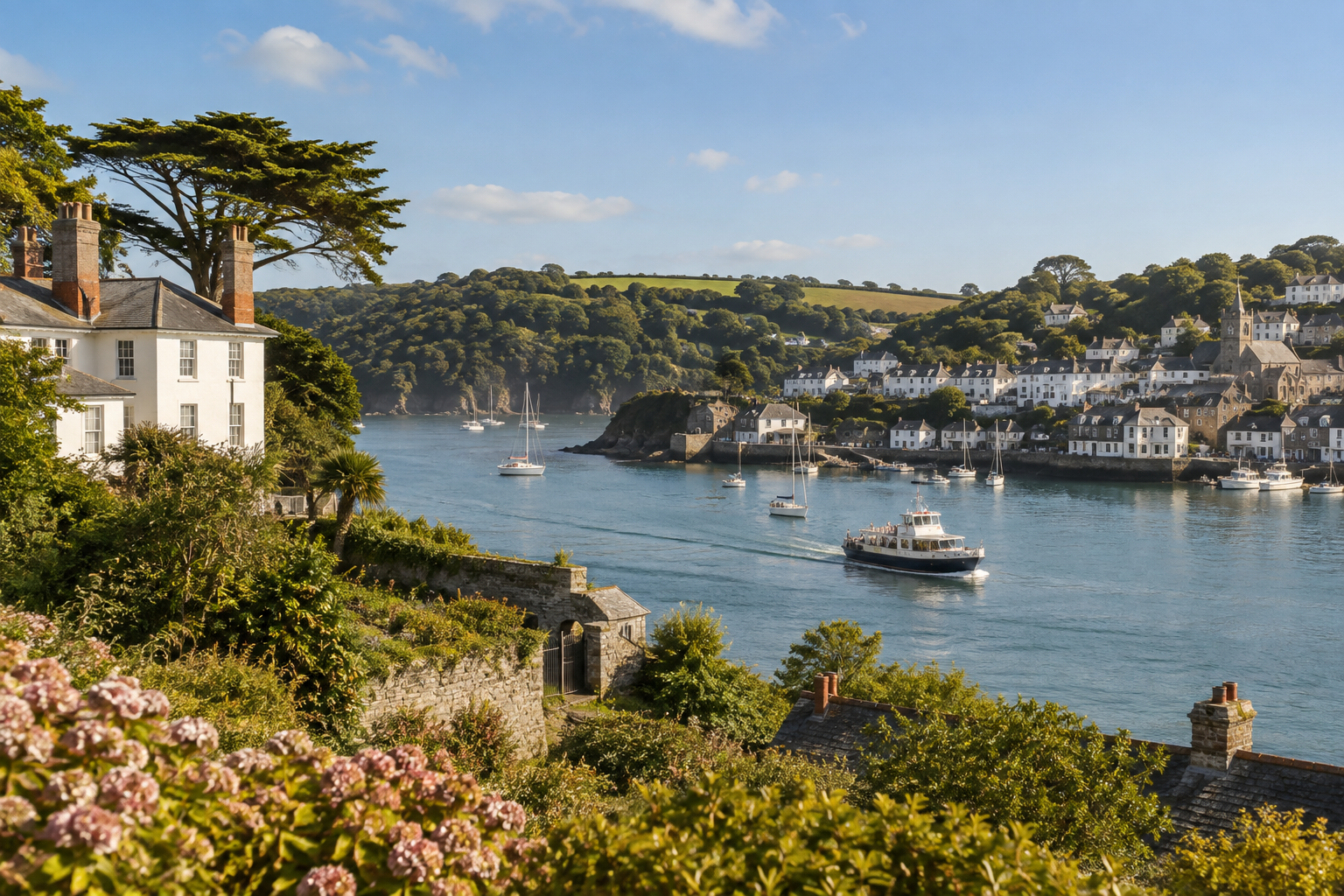
Books and the Fowey estuary still lean on each other. Daphne du Maurier’s Cornwall story is tightly tied to this river mouth — family houses, rented Rashleigh places, and a harbour town that rewards looking from public paths and ferries rather than chasing private driveways. This guide is the literary geography angle: orientation, respect, and a calm half-day shape. For the wider trip plan, use our Fowey Cornwall travel guide.
Ferryside, Bodinnick — where the Fowey chapter begins
According to the local summary on fowey.co.uk’s Daphne du Maurier page (drawn from Fowey Museum display information), the family found Ferryside at Bodinnick-by-Fowey in 1926 as their Cornwall home. Daphne wrote her first novel, The Loving Spirit, there. The book later led — via a reader who sailed to Fowey to meet the author — to her marriage at Lanteglos church in 1932.
Ferryside is not presented as a public house tour. Look from the water, the ferry approaches, and public paths on the Bodinnick side. Do not enter private grounds. The point is to place the house in the estuary picture you already see from the ferry — chimneys and gardens belonging to people who live here now.
Readymoney, Menabilly and Kilmarth — orientation only
The same local timeline describes later chapters:
- During the Second World War she rented a house in Fowey called Readymoney and lived there with her children for a time.
- She then rented Menabilly from the Rashleigh family (from 1943) — the house that helped shape the imaginative landscape many readers associate with Rebecca’s Manderley. Treat that as literary orientation, not a floorplan or a pilgrimage itinerary.
- When the Menabilly lease ended (1969 in the local summary), she moved to Kilmarth, another Rashleigh rental about a mile from Menabilly.
Dame Daphne du Maurier died on 19 April 1989. The timeline above is for understanding how Fowey’s estuary and its neighbouring houses sat in her working life — not an invitation to knock on doors or peer through hedges with a camera.
Access — private homes, public views
None of Ferryside, the Readymoney rental, Menabilly or Kilmarth are stated as visitor attractions on the fowey.co.uk summary we used. Plan on:
- Public ferries and quays for water-level views (see Fowey to Polruan ferry and river day).
- Signed public footpaths and National Trust–described walks on the estuary (see walks from Fowey) where they stay on rights of way.
- Town lanes, Fowey Museum, and bookish browsing in the centre — not private drives or gardens.
If a gate, hedge or “private” sign blocks the way you imagined from a novel, that is the answer. Literary Fowey is geography you share with residents living their ordinary day. The same respect applies around Readymoney Cove if you are pairing beach time with literary curiosity — the cove is public beach; neighbouring houses are not exhibits.
Fowey Museum and further reading
fowey.co.uk points readers to Fowey Museum for a more detailed description of her life and memorabilia. Check current museum opening before you build a timed visit around it — hours are seasonal and not reproduced here.
Reading on-site is still the best preparation: a few pages of The Loving Spirit or Rebecca on the ferry does more than a hurried photo stop outside a hedge. If you want ranked activity formats after the literary half-day, keep those on the live listicles rather than turning this page into a second attractions dump.
A respectful literary half-day
- Start with a harbour wander in Fowey — church tower, quay light, lanes that open onto the river.
- Take the Bodinnick car ferry or Polruan passenger ferry so you see Ferryside’s side of the water from public vantage points.
- Optional: a stretch of Hall Walk or a shorter coast loop for estuary views (footwear and ferry timing required).
- Return to town for museum time if open, then food when the hills have earned it.
Do not try to “collect” Menabilly as if it were a ticketed attraction. The point is the relationship between books and this working harbour — which you feel most clearly from the water and the public path. A slow coffee facing the estuary often teaches more than another mile of wrong turns on private lanes.
How this sits with the cluster
Activity-style lists stay on things to do in Fowey. A short destination card lives at visit Fowey. Soft ranked context — when you want that format — sits on pages such as top 10 attractions in Fowey. Overnight browsers should use places to stay in Cornwall.
Siblings for a longer Cornwall trip can include a Padstow day on another coast via visit Padstow, or plain-text day ideas toward Polperro and Looe — without inventing missing visit URLs. St Ives stays plain text until that pillar is live.
When you want harbour, ferries, walks, Readymoney and timing in one spine, return to the Fowey Cornwall travel guide, or keep reading in the magazine.
Literary Fowey is a respectful half-day: ferries, public views, museum if open, and no trespassing. That is the Cornwall Travel Guide angle — place-first, book-led, and clear about what is private.
Read next
Magazine
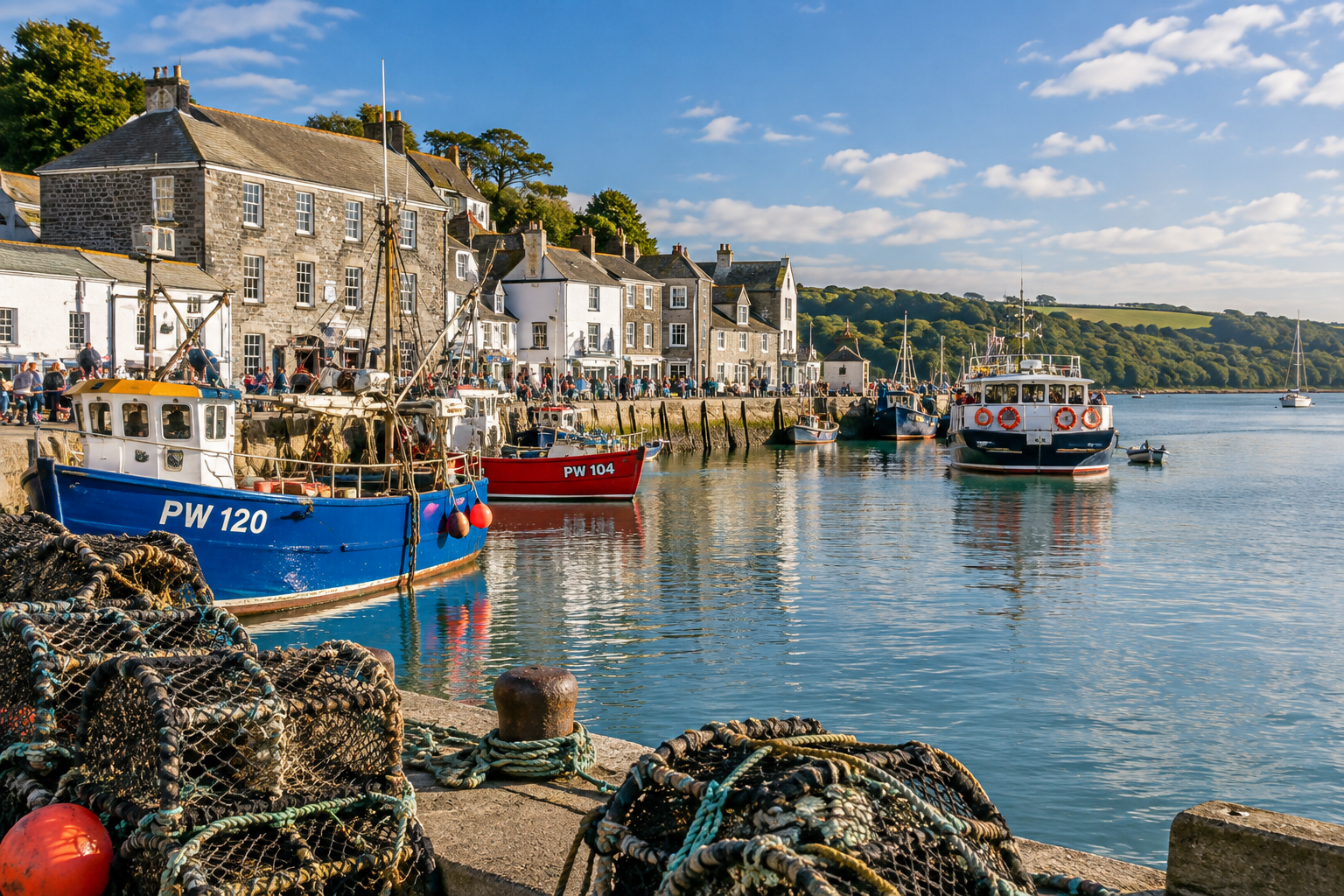
Padstow Harbour: A Working Day on the Camel
How Padstow harbour works as a fishing and ferry port, and how to spend a day around it without turning it into a restaurant ranking.
Magazine
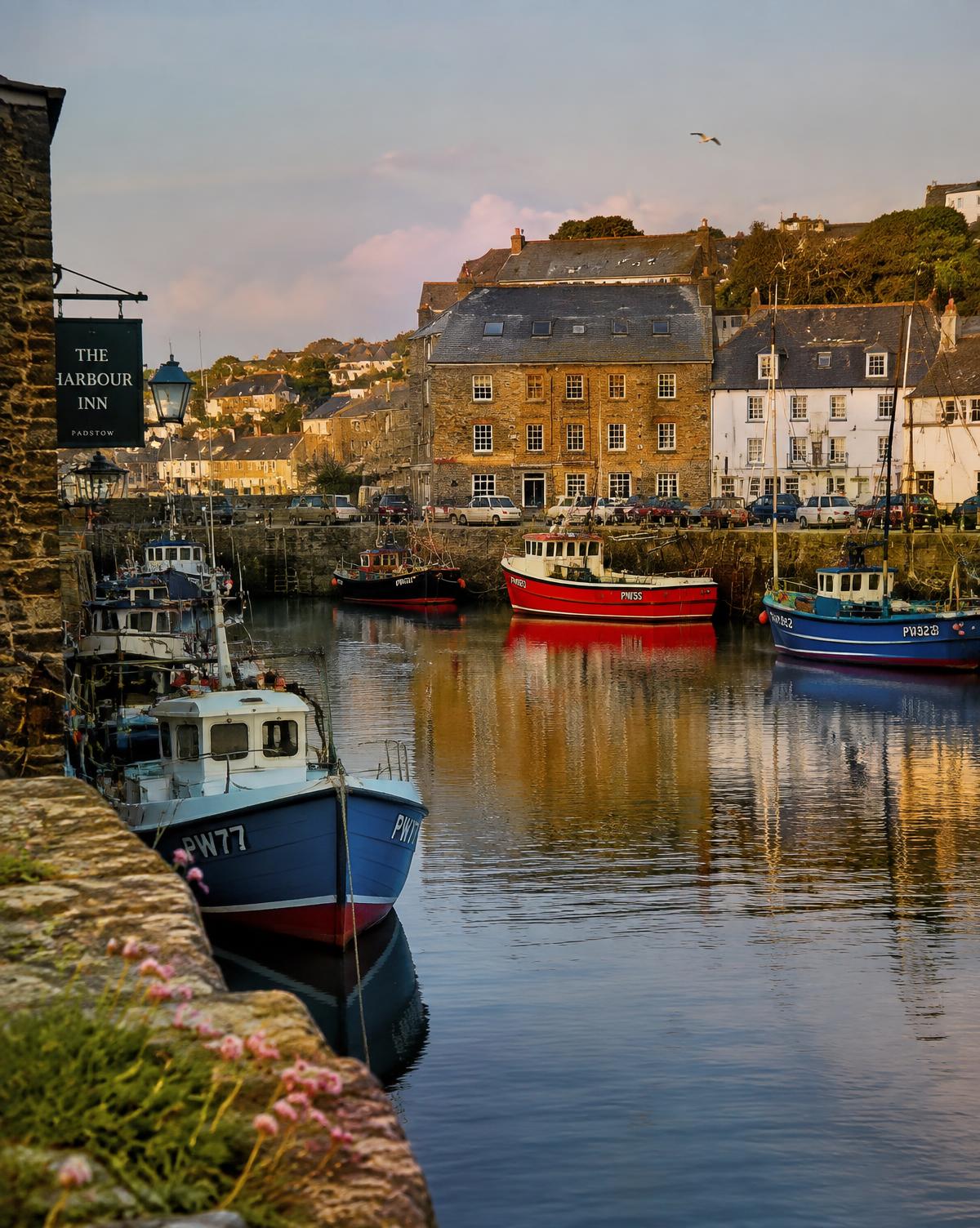
Hawker's Cove, Padstow: Beach Walk and Swim
A walk-out beach at the mouth of the Camel, from Padstow towards Hawker's Cove. One cove, not a beaches list. Check safety and access before you swim.
Magazine
Camel Trail from Padstow: Wadebridge and Walks
Walk or cycle the Camel Trail from Padstow towards Wadebridge, plus how it differs from the coast path. Check the council trail page before you go.